






Practitioner or service provider
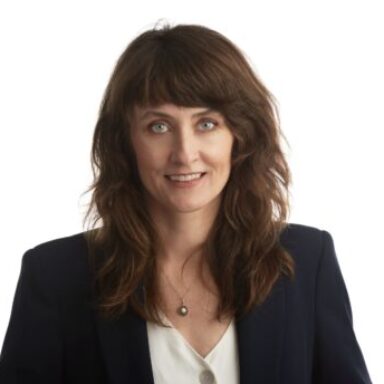
Magdalena Szczęśniak
@magdalenaszczesniak
•
Joined Oct 2026 •
Active a day ago
Details
First Name
Magdalena
Last Name
Szczęśniak
Nickname
magdalenaszczesniak
Country you live in
Poland
I am a
Practitioner or service provider
Pronouns
She/her
I work in
Foundation or funder
Institution or Organisation
Fundacja Łącznik
Role
Founder and President
Short bio
I’m Magdalena Szczęśniak, President of Fundacja Łącznik, a Poland-based foundation working to better understand and prevent social isolation and loneliness.
Our work is built around two interconnected pillars: research and interventions. We believe that understanding why social connections weaken is essential to designing effective, sustainable ways to strengthen them.
Our long-term research programme, Relational Environments, explores how digital spaces, social narratives, organisational cultures and broader societal changes shape relationships, trust and belonging.
We aim to translate research into practical, evidence-informed interventions, developed with communities, tested in real-world settings and evaluated for their impact.
We are currently developing Mosty Pokoleń (Bridges Between Generations), an initiative focused on strengthening intergenerational relationships and creating opportunities for meaningful participation and connection.
We are building an interdisciplinary network of researchers, practitioners, community organisations and institutional partners who share an interest in understanding and improving the social conditions that influence human connection.
Through Ties, I’m looking for scientific exchange, access to research findings and methodologies, lessons from existing interventions, and opportunities for joint research and pilot projects. I’m particularly interested in approaches that connect rigorous research with measurable social impact.
I believe that preventing loneliness requires more than increasing social contact. It requires understanding and creating environments where meaningful relationships can develop and thrive.
Where you are from
Poland
Populations Served
Populations served
Older adults (65+), Children and young people, People with long-term health conditions, General population
Practice and Policy
Mapping What Works
I am willing to be contacted about an approach I know of
What you can bring
Delivering a programme or service, Lived experience of isolation or loneliness, Evaluation or monitoring data, Adapting an approach to a new context or language
The scale you work at
Neighbourhood or community, City or municipality, National
Evidence you can share
We use published evidence to design what we do
Recognition
Badges
- Inclusive PracticeWorks with three or more underserved populations.